

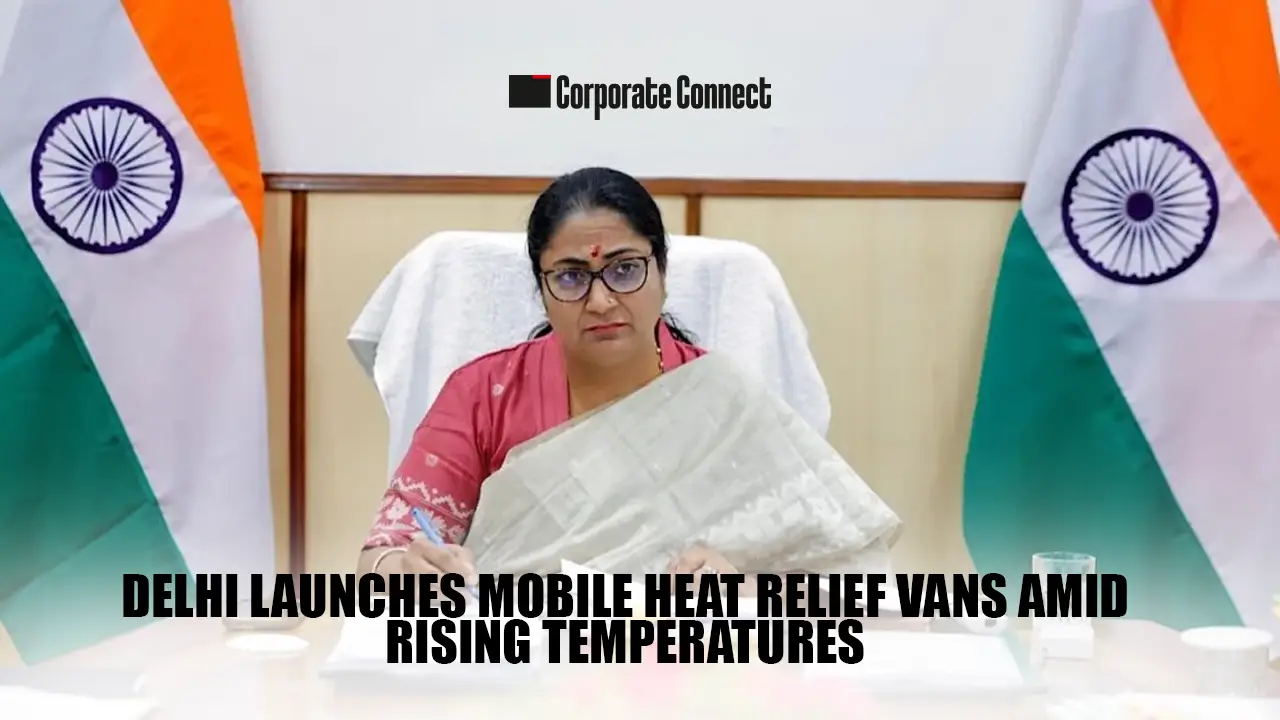
Chief Minister Rekha Gupta has set up 13 mobile heat relief units throughout Delhi to assist residents in coping with the city’s extreme summer heat. The action is being taken while there is a severe heatwave in numerous areas of the nation’s capital.
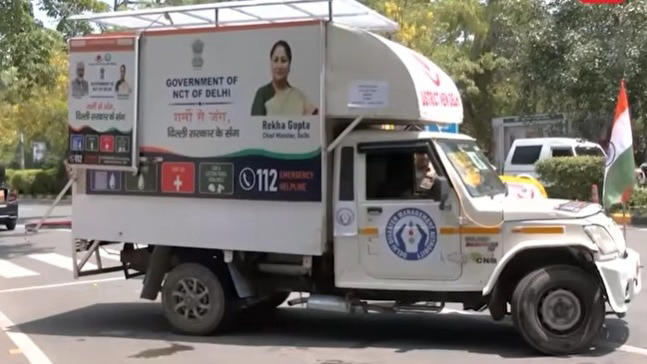
According to the Delhi government, these mobile vans would offer prompt on-site assistance, particularly for commuters, daily wage workers, and those who spend a lot of time outside.
In addition to the launch, the government unveiled the Heat Action Plan 2026, which aims to increase readiness for harsh summer weather.
THE BENEFITS OF MOBILE HEAT RELIEF UNITS
Each of Delhi’s 13 mobile heat relief units, one for each district, is intended to serve as a mobile relief station. These vans will run in busy public spaces including marketplaces, labor centers, and bus stops from 11 a.m. to 6 p.m.
To help patients cope with the heat, officials said each unit has cooled drinking water, ORS packets, first-aid kits, towels, and caps.
Additionally, more than 100 volunteers have been assigned to help residents during busy afternoon hours and distribute supplies.
For those in need of immediate assistance amid heat-related problems, the Delhi government has also provided emergency helpline number 112.
Public safety is the main focus of the 2026 Heat Action Plan.
Rekha Gupta unveiled the Heat Action Plan 2026 brochure beside the relief vans. The plan emphasizes healthcare preparedness, public awareness, and safety precautions for schoolchildren and outdoor workers.
In order to lessen laborers’ exposure to heat, outdoor construction work is anticipated to cease between 1 and 4 pm under the new regulations.
In order to remind pupils to stay hydrated during the day, schools have also implemented a “Water Bell” system. Many schools are avoiding outdoor sports and afternoon assemblies.
The Delhi government is advancing its preparations for healthcare.
According to the government, hospitals and medical facilities in Delhi are getting ready for a potential increase in heatstroke cases.
According to reports, over 339 medical establishments have set up cold rooms, ice packs, and medications relevant to heat-related care.
In order to prevent shortages during the height of summer demand, the administration is also examining how the city’s water supply is managed. Officials have been ordered to guarantee continuous supply and prompt handling of grievances.
Rekha Gupta called the initiative “Garmi Se Jung” and stated that the goal is to ensure that every local receives assistance during the intense summer months.
FAQs – Delhi Mobile Heat Relief Units & Heat Action Plan 2026
1. What are Delhi’s new mobile heat relief units?
Delhi has launched 13 mobile heat relief units to provide immediate assistance to people affected by extreme summer heat and heatwaves.
2. Who launched the mobile heat relief units in Delhi?
The initiative was launched by Rekha Gupta.
3. How many heat relief vans have been deployed in Delhi?
A total of 13 mobile heat relief units, one for each district, have been deployed across the city.
4. What services do the heat relief units provide?
Each unit provides:
- Chilled drinking water
- ORS packets
- First-aid kits
- Towels
- Caps
- Emergency assistance
5. What are the operating hours of the heat relief vans?
The vans operate daily from 11 a.m. to 6 p.m.
6. Where will the heat relief vans be stationed?
They will operate in crowded public areas such as:
- Bus stops
- Markets
- Labour chowks
- High-footfall public zones
7. Who are the main beneficiaries of this initiative?
The initiative mainly targets:
- Daily wage workers
- Commuters
- Outdoor workers
- Vulnerable residents exposed to heat
8. What is the Delhi Heat Action Plan 2026?
It is a government strategy aimed at improving preparedness for extreme summer conditions through healthcare support, public awareness, and worker safety measures.
9. What changes have been made for outdoor workers?
Under the new guidelines, outdoor construction work may be halted between 1 p.m. and 4 p.m. to reduce heat exposure.
10. What is the ‘Water Bell’ system introduced in schools?
Schools are using a Water Bell system to remind students to stay hydrated regularly during hot weather.
11. Are Delhi schools taking special precautions during the heatwave?
Yes, many schools are:
- Avoiding afternoon assemblies
- Limiting outdoor sports activities
- Encouraging regular hydration
12. How are hospitals preparing for heatwave emergencies?
More than 339 medical facilities have reportedly arranged:
- Cold rooms
- Ice packs
- Heatstroke medicines
- Emergency heat-care equipment
13. What emergency number can residents call during heat-related emergencies?
Residents can call the emergency helpline 112 for immediate assistance.
14. How many volunteers are supporting the heat relief initiative?
More than 100 volunteers have been deployed to help distribute supplies and assist citizens.
15. What does ‘Garmi Se Jung’ mean?
“Garmi Se Jung” is the Delhi government’s campaign aimed at protecting citizens from severe summer heat and heatwave conditions.
16. Why is Delhi strengthening its water supply management?
The government wants to avoid water shortages during peak summer demand and ensure uninterrupted supply.
17. Why are heat relief initiatives important in Delhi?
Extreme temperatures in Delhi can lead to dehydration, heatstroke, and other health risks, especially for people working outdoors.