

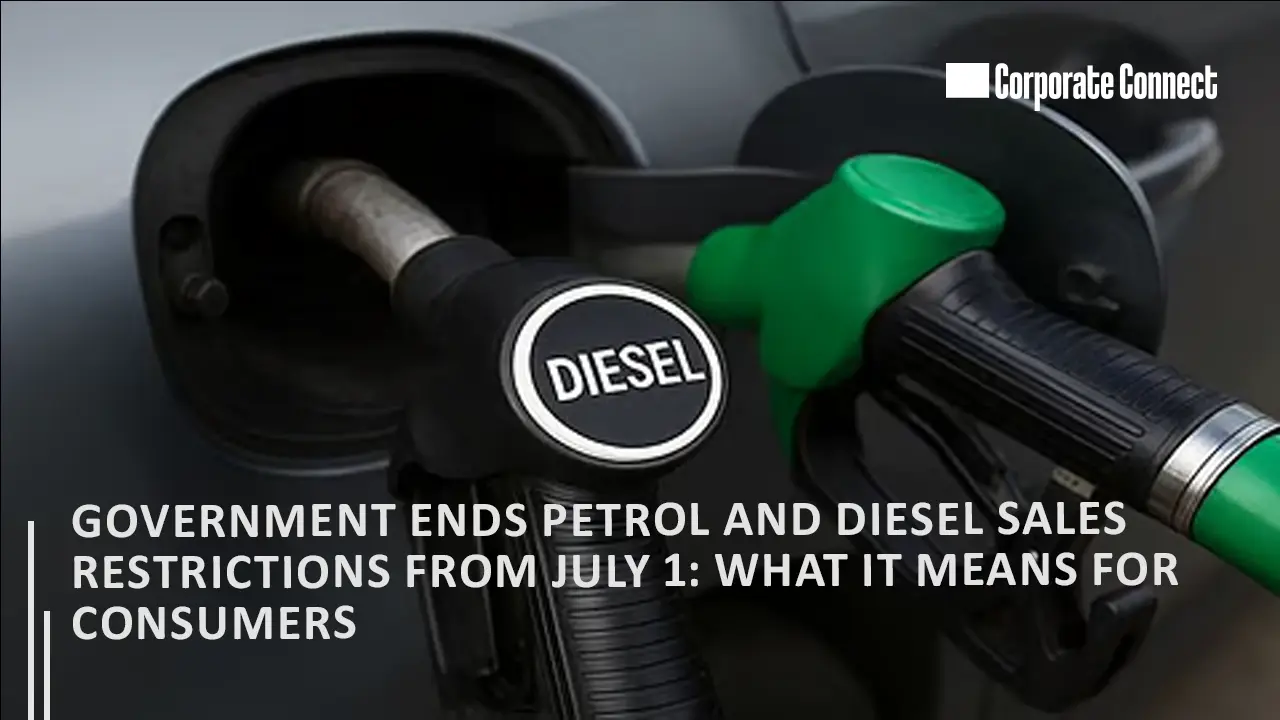
The central government has decided to withdraw the temporary restrictions on petrol and diesel sales starting July 1. The decision comes after the government concluded that domestic fuel supplies had stabilised following recent global disruptions, restoring normal fuel distribution across the country.
Why the restrictions were imposed
The emergency measures were introduced earlier this year as a precaution against possible shortages caused by geopolitical tensions in West Asia and concerns over shipping through the Strait of Hormuz. In a June 11 order, the government had barred industrial and commercial consumers from buying petrol and diesel through retail outlets, directing them to procure supplies through dedicated commercial distribution channels instead. The move addressed an unusual surge in fuel demand at select outlets, as bulk diesel buyers had increasingly turned to state-run oil companies’ retail pumps, putting pressure on the distribution network.
Specific restrictions that were in place
- Commercial consumers were prevented from purchasing petrol and diesel from retail fuel outlets.
- Daily limits were imposed on diesel purchases to ensure uninterrupted availability for individual consumers.
- Specifically, diesel purchases were capped at 200 litres per person per day.
What changes from July 1
- Industrial and commercial users will once again be allowed to purchase fuel through regular retail channels.
- The 200-litre daily diesel purchase cap is being removed entirely.
- Normal fuel distribution is being restored nationwide.
Official government reasoning
In a notification, the Ministry of Petroleum and Natural Gas said the temporary measures had helped ensure adequate availability of petrol and diesel across the country while safeguarding the interests of retail consumers, adding that their withdrawal reflects improvement in the supply situation and restoration of normal supply arrangements.
Global oil market context
Global crude rates fell by over 4 per cent earlier this month after the US and Iran signed a peace deal, but rates climbed again on Monday due to a fresh exchange of fire between the two sides. Analysts say the impact on oil prices remains “relatively contained” despite the recent strikes, although the situation remains volatile as Iran seeks to maintain control over the critical Strait of Hormuz.
Bottom line for consumers
This is essentially a “back to normal” move — the rules separating commercial/bulk buyers from regular retail customers, along with the daily diesel cap, are being scrapped because the government is confident supply has stabilised. For the average consumer, this mainly means an end to the pump congestion and purchase limits linked to bulk buyers crowding retail stations. It doesn’t, by itself, signal anything about retail fuel prices — those move independently based on global crude rates, which remain sensitive to the ongoing Iran situation.
| Topic | Details |
|---|---|
| Effective Date | July 1, 2026 |
| Government Decision | Temporary restrictions on petrol and diesel sales have been withdrawn. |
| Reason for Lifting Restrictions | Domestic fuel supplies have stabilised, allowing normal fuel distribution across India. |
| Why Restrictions Were Introduced | To prevent fuel shortages caused by geopolitical tensions in West Asia and concerns over shipping through the Strait of Hormuz. |
| Original Government Order | Issued on June 11, 2026 by the Ministry of Petroleum and Natural Gas. |
| Who Was Affected | Industrial and commercial fuel consumers (bulk buyers). |
| Previous Restriction on Fuel Purchases | Commercial and industrial users were not allowed to buy petrol and diesel from regular retail fuel stations. |
| Diesel Purchase Limit | Diesel purchases were capped at 200 litres per person per day. |
| Purpose of Restrictions | To reduce pressure on retail fuel outlets and ensure uninterrupted fuel availability for individual consumers. |
| What Changes From July 1? | Commercial and industrial users can again purchase fuel from regular retail outlets. |
| Diesel Cap Status | The 200-litre daily purchase limit has been completely removed. |
| Fuel Distribution | Normal nationwide fuel distribution has resumed. |
| Government’s Official Reason | The temporary restrictions successfully ensured adequate fuel availability and are no longer required due to improved supply conditions. |
| Global Oil Market Impact | Oil prices remain volatile because of ongoing tensions involving Iran and the Strait of Hormuz, despite temporary easing after diplomatic developments. |
| Impact on Retail Consumers | Reduced congestion at petrol pumps and removal of purchase restrictions related to bulk buyers. |
| Impact on Fuel Prices | No direct impact. Petrol and diesel prices will continue to depend on international crude oil prices and global market conditions. |