
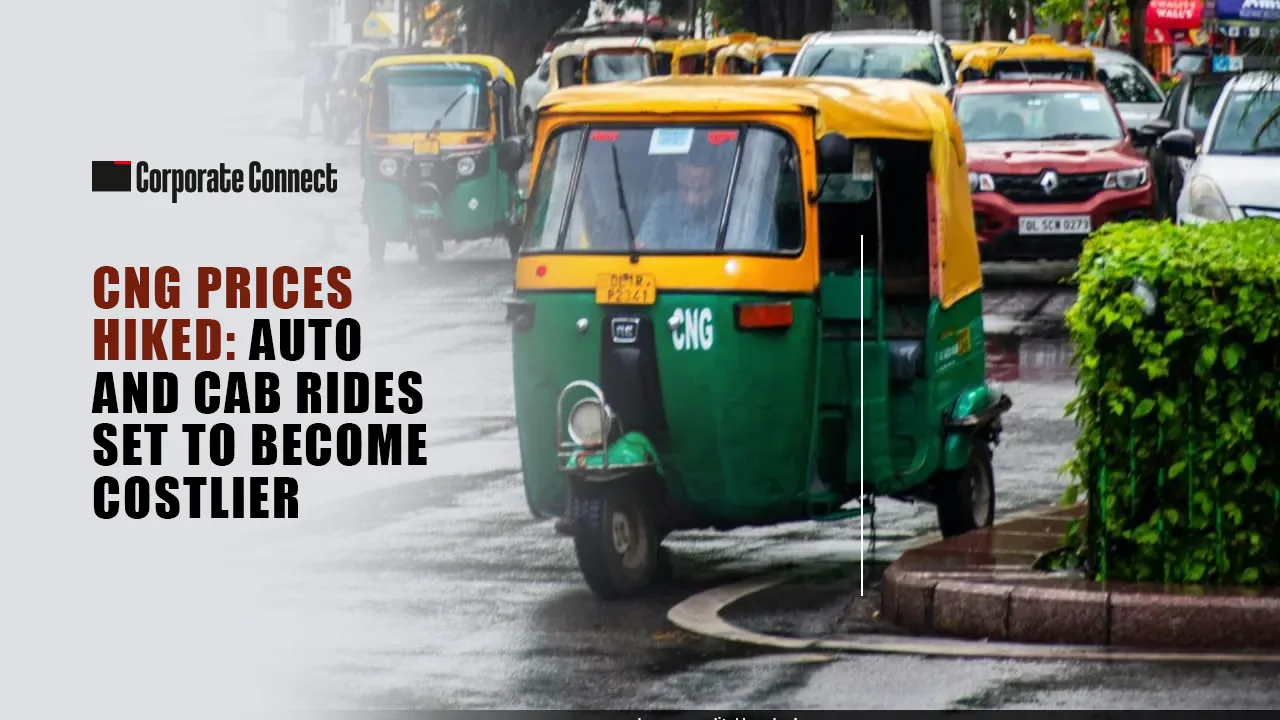
The latest CNG price hike in Delhi-NCR and Mumbai could soon hit commuters directly in their wallets, with autorickshaw and cab fares likely to go up in the coming days. In Delhi-NCR, CNG prices have been increased by Rs 2 per kg, while in the Mumbai Metropolitan Region, the rate has been hiked to Rs 84 per kg after a similar Rs 2 increase.
The increase occurs at a time when the ongoing energy crisis, which is connected to tensions in West Asia and disruptions in global supply lines, is putting pressure on gasoline prices generally.
The cost of gasoline and diesel has also increased by Rs 3 per liter.
Why Public Transportation Is Affected by CNG Prices
Over time, auto-rickshaws and many city cabs switched to CNG since it was far less expensive than gasoline and diesel. Despite growing maintenance costs and fluctuating wages, drivers were able to subsist thanks to lower fuel prices. However, that difference is rapidly closing.
The cost of operating cars and taxis that drive vast distances on a regular basis increases significantly with every Rs 1-2 increase in CNG rates. Since fuel is their largest operating expense, drivers claim it becomes tough to bear the load.
CNG powers thousands of autorickshaws and taxis in Mumbai alone. According to transport unions, many drivers’ operational costs could rise by more than Rs 1 per kilometer as a result of the most recent increase.
Auto Unions have already begun requesting changes to fares.
Demand for a fare increase has already started.
Following the most recent hike in CNG prices, car unions in Mumbai have called for an adjustment in minimum fares. Union leaders contend that drivers are unable to support themselves without shifting some of the cost to passengers due to ongoing increases in gas prices, inflation, and maintenance expenses.
If CNG prices keep going up or stay high for a long time, Delhi-NCR may see a similar demand.
In the past, as fuel prices have continued to rise, transportation authorities have frequently updated car and taxi charges.
The Pinch May Also Affect App-Based Cab Users
Traditional autorickshaws and black-yellow taxis are unlikely to be the only vehicles affected.
CNG is also used by many of the cars connected to ride-hailing services. Due to commissions, EMIs, and growing car prices, drivers using app-based taxi services already lament their declining profit margins.
Drivers may become more reliant on surge pricing or seek greater incentives from platforms as a result of rising fuel prices. Practically speaking, this could result in passengers paying more during periods of high demand, inclement weather, or peak office hours.
Commuters may begin to notice more expensive journeys even in the absence of an official fare revision.
Why Was the Price of CNG Increased?
The current rise is directly related to the state of the world’s energy supply.
Since a significant amount of India’s natural gas needs are met by imports, domestic CNG prices are susceptible to fluctuations in global markets. Crude oil and LNG prices have increased globally as a result of the ongoing tensions in West Asia, which have also impacted energy supply routes. For Indian gas distribution businesses, imports have become even more costly due to the depreciating rupee.
Businesses like Indraprastha Gas Limited (IGL) and Mahanagar Gas Limited (MGL) are shifting some of the expense of procurement to customers by raising the price of CNG.
Commuters Need to Get Ready for Higher Travel Costs
Cars and taxis are vital modes of transportation for millions of people who travel every day. Even a little initial rate rise can have a substantial impact on the monthly travel costs of families, students, and office workers.
Another worry is that this might not be the final increase in fuel prices.
According to analysts, if the geopolitical situation continues to deteriorate, more price revisions would be inevitable given the volatility of the world’s energy markets and the warnings from oil firms about growing losses.
If that occurs, it will probably have an impact on all public transportation systems, starting with autorickshaws and taxis.