

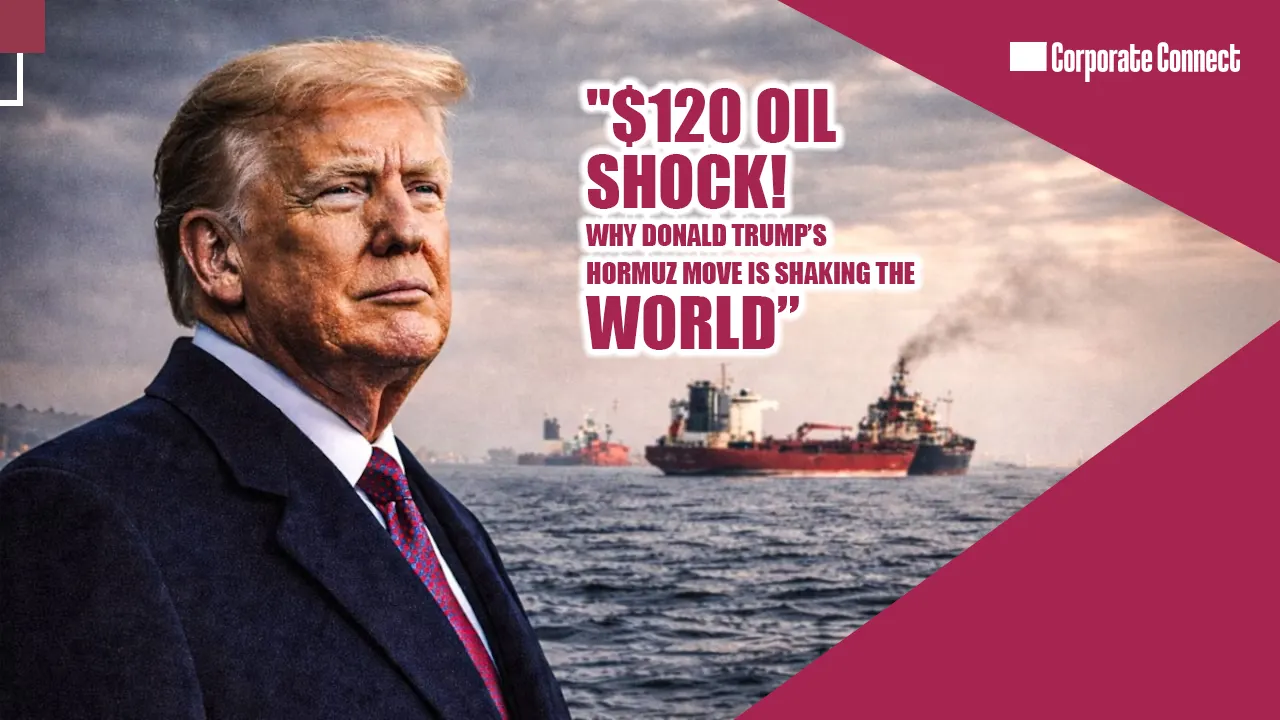
Fears of protracted supply interruptions grew as negotiations to end the US conflict with Iran stalled, causing global oil prices to spike above $120 on Thursday and briefly reach $122, the highest level since 2022.
While US West Texas Intermediate (WTI) increased slightly to over $107, Brent crude for June delivery increased by nearly 1.9% to almost $120 per barrel. The advance extends a run of rising prices over several days, building on significant gains from the previous session, when WTI climbed 7% and Brent jumped nearly 6%.
The increase follows US President Donald Trump’s order for officials to get ready for a protracted blockade of Iran, which would put more strain on the world’s oil supplies.
Trump hinted that the US naval blockade would continue until Tehran accepts a nuclear agreement in an interview with Axios. “In some ways, the blockade works better than the bombing. Like a stuffed pig, they are choking. And things will get worse for them. He declared, “They cannot possess a nuclear weapon.”
Additionally, Trump insisted that Tehran first address US concerns, rejecting Iran’s offer to reopen the Strait of Hormuz before talks start.
He stated that the blockade is his major tactic, but he did not elaborate on the military options that are still open.
Global energy shock is fueled by Hormuz disruption
Since US and Israeli airstrikes on Iran started on February 28, tensions have virtually blocked shipping through the Strait of Hormuz, a crucial route that normally transports around one-fifth of the world’s oil and LNG supply.
Iran only permits its own ships to pass through the strait, severely restricting shipping. The United States has increased its blockade of Iranian ships this month in retaliation.
The disruption has caused one of the worst global energy shocks in recent memory. Even if some vessels are purportedly crossing blockade lines, the overall flow is still severely restricted, keeping markets nervous.
According to a White House official, Trump met with large oil corporations earlier on Wednesday to discuss how to handle the effects of a possible months-long blockade of Iran’s ports.
The meeting took place in the midst of an ongoing impasse in attempts to end the conflict, which has killed thousands of people and caused what analysts call one of the biggest interruptions to the world’s energy supplies.
According to Reuters sources, the OPEC+ alliance is anticipated to discuss a slight increase in output limits of about 188,000 barrels per day at its next meeting on Sunday.
But the United Arab Emirates’ recent departure from OPEC, which went into effect on May 1, has sparked new concerns about the organization’s capacity to control prices.
However, Trump applauded the United Arab Emirates’ decision to leave the OPEC and OPEC+ alliance, claiming that the action would lower the price of gas and oil globally.
Since the start of the conflict, oil prices have fluctuated significantly, mostly due to uncertainties surrounding the Strait of Hormuz. Although there were brief de-escalation indications in April that caused prices to drop to about $90 per barrel, prices have since increased rapidly over the last 12 days as the embargo persisted.
FAQs: Oil Prices Surge & Hormuz Crisis
1. Why are oil prices rising today?
Oil prices are rising due to escalating tensions between the US and Iran, which have disrupted shipping through the Strait of Hormuz—a key global oil transit route.
2. Why did Brent crude cross $120?
Brent crude crossed $120 as fears of supply disruptions grew, driven by geopolitical conflict and restricted oil flow from the Middle East.
3. What role does Donald Trump play in this situation?
Donald Trump ordered preparations for a prolonged naval blockade of Iran, increasing pressure on global oil supply chains and pushing prices higher.
4. Why is the Strait of Hormuz so important?
The Strait of Hormuz handles nearly 20% of the world’s oil and LNG supply, making it one of the most critical energy chokepoints globally.
5. What is the difference between WTI and Brent crude?
- WTI (West Texas Intermediate): A US-based crude oil benchmark
- Brent crude: The global benchmark used for international oil pricing
6. Will fuel prices increase due to this surge?
Yes, if oil prices remain elevated, petrol and diesel prices are likely to rise, especially in import-dependent countries like India.
7. What can OPEC+ do to control the situation?
OPEC+ may increase production to stabilize supply, but internal challenges and geopolitical uncertainty may limit its effectiveness.
8. How will this impact the global economy?
- Higher inflation
- Increased transportation costs
- Stock market volatility
9. Could this lead to a global energy crisis?
If the disruption in the Strait of Hormuz continues, it could trigger one of the biggest energy crises since 2022.
10. What is the outlook for oil prices?
Oil prices will largely depend on geopolitical developments—any easing of tensions could lower prices, while prolonged conflict may push them even higher.