

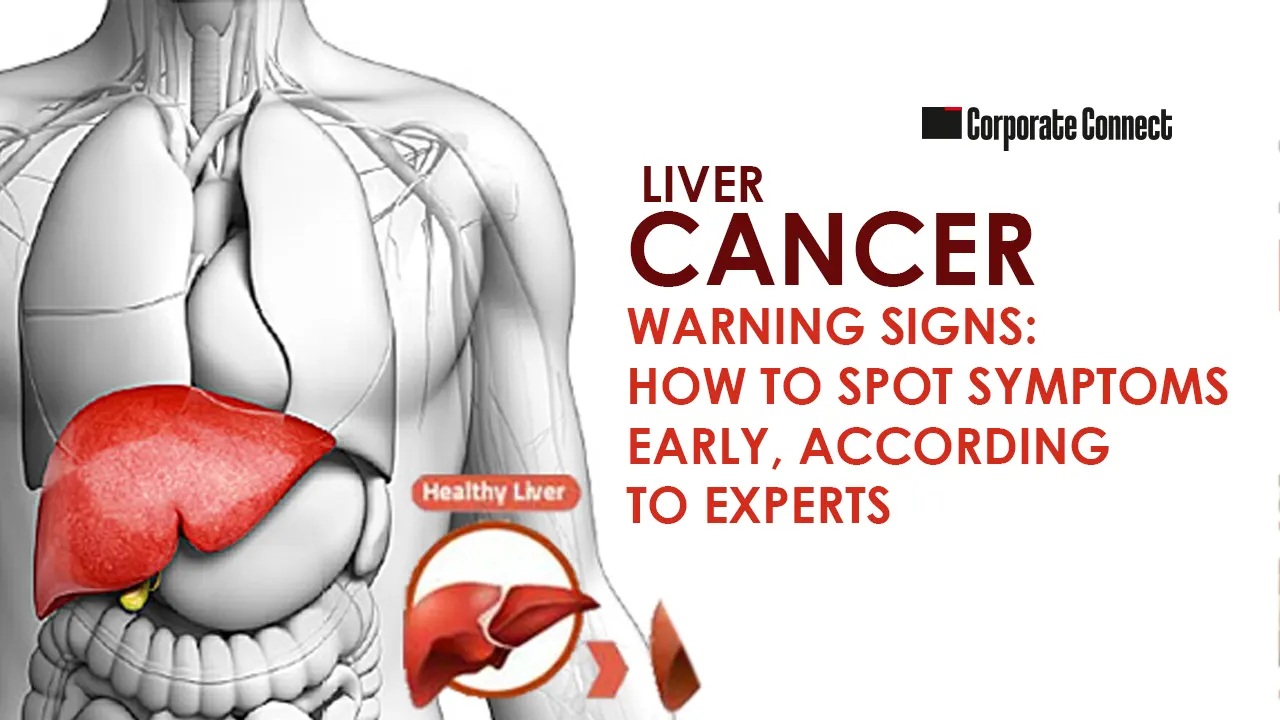
Recognising Liver Cancer Early: Common Symptoms Experts Highlight
One of the most vital organs in the human body is the liver. It carries out vital tasks such filtering blood, making necessary proteins, storing energy, and eliminating pollutants. more, it generates bile, which facilitates digestion. However, irregular liver cell growth can result in liver cancer, a dangerous illness that can seriously affect general health.
Long-term alcohol use, hepatitis B and C infections, fatty liver disease, obesity, and a family history of cancer are some of the causes of liver cancer. Fatigue, inexplicable weight loss, and digestive problems can result from liver cancer’s gradual disruption of the body’s detoxification process, which allows toxins to build up in the blood.
There are two main types of liver cancer:
-
Hepatocellular carcinoma (HCC): The most common type, originating in liver cells.
-
Cholangiocarcinoma: Develops in the bile ducts.
Because early symptoms of liver cancer are frequently mild or missed, the disease may have advanced by the time it is detected, making it more hazardous. Reduced liver function weakens the organism over time by affecting other organs as well.
Early Symptoms of Liver Cancer
According to Dr. Ananya Gupta, a former director of the AIIMS Gastroenterology Department, the symptoms of liver cancer frequently develop gradually and can be confused with those of other prevalent disorders. Important indicators consist of:
-
Persistent fatigue and weakness
-
Loss of appetite and unexplained weight loss
-
Pain or heaviness in the right side of the abdomen
-
Yellowing of the eyes and skin (jaundice)
-
Frequent nausea or vomiting
As the disease progresses, patients may experience:
-
Abdominal swelling and leg swelling
-
Increased body weakness
-
Bleeding or vomiting blood in severe cases
Timely medical assessment is crucial since these symptoms can mimic other conditions. For a precise diagnosis, diagnostic instruments including liver biopsies, MRIs, and CT scans are crucial. Early identification helps avoid major problems and significantly improves treatment outcomes.
How to Prevent Liver Cancer
Experts recommend several preventive measures:
-
Avoid alcohol and smoking
-
Get vaccinated against hepatitis B
-
Maintain a healthy diet
-
Prevent obesity and fatty liver
-
Exercise regularly
-
Get your liver checked periodically
Early detection of liver cancer increases the effectiveness of therapy and the likelihood of recovery. This can be achieved by being aware of the signs and taking preventive measures.
FAQs: Liver Cancer Symptoms and Early Signs
Q1. What is liver cancer?
Liver cancer is a serious disease caused by abnormal growth of liver cells. It affects the liver’s ability to filter blood, remove toxins, store energy, and support digestion, leading to widespread health problems.
Q2. What are the main types of liver cancer?
There are two primary types:
-
Hepatocellular carcinoma (HCC): The most common form, originating in liver cells
-
Cholangiocarcinoma: Cancer that develops in the bile ducts
Q3. What causes liver cancer?
Common causes include long-term alcohol consumption, hepatitis B or C infections, fatty liver disease, obesity, smoking, and a family history of cancer.
Q4. Why is liver cancer often detected late?
Early symptoms are usually mild or vague and can be mistaken for common health issues like fatigue or digestive problems. As a result, the disease may progress before being diagnosed.
Q5. What are the early symptoms of liver cancer?
According to experts, early signs may include persistent fatigue, loss of appetite, unexplained weight loss, pain or heaviness on the right side of the abdomen, nausea, vomiting, and yellowing of the skin or eyes (jaundice).
Q6. How does liver cancer affect the body over time?
As liver function declines, toxins accumulate in the blood, weakening the body and affecting other organs. This can lead to severe fatigue, digestive issues, swelling, and bleeding complications.
Q7. What symptoms appear in advanced stages of liver cancer?
Advanced symptoms may include abdominal swelling, leg swelling, severe weakness, and in extreme cases, bleeding or vomiting blood.
Q8. How is liver cancer diagnosed?
Doctors use blood tests, imaging scans such as MRI or CT, and in some cases, a liver biopsy to confirm the diagnosis and determine the stage of cancer.
Q9. Can liver cancer be prevented?
While not all cases are preventable, the risk can be reduced by avoiding alcohol and smoking, maintaining a healthy weight, preventing fatty liver disease, exercising regularly, and getting vaccinated against hepatitis B.
Q10. Why is early detection of liver cancer important?
Early diagnosis significantly improves treatment options and survival rates. Timely medical evaluation can help prevent severe complications and slow disease progression.
Q11. Who is at higher risk of developing liver cancer?
People with chronic liver disease, hepatitis infections, obesity, fatty liver disease, heavy alcohol use, or a family history of cancer face a higher risk.
Q12. How often should liver health be checked?
Experts recommend periodic liver check-ups for individuals with known risk factors, as routine screening can help detect liver abnormalities early.