
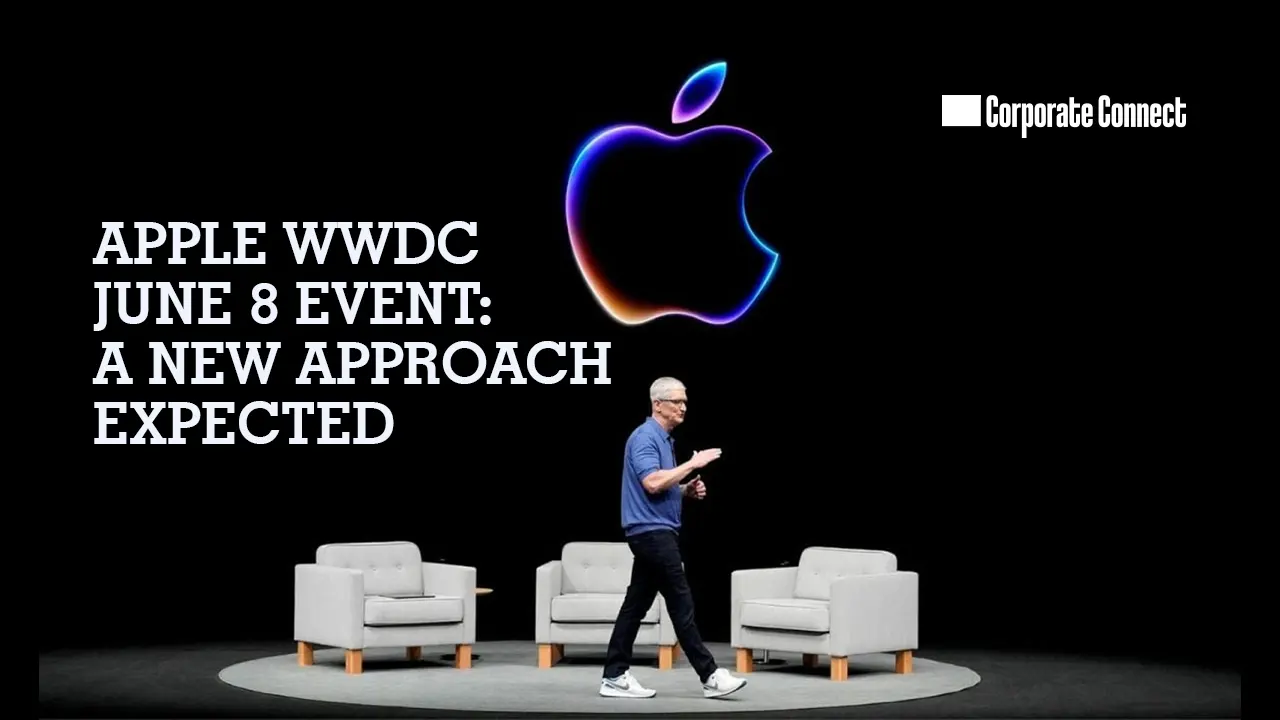
When Apple takes the stage at WWDC on June 8, it is expected to go in a very different direction. According to Mark Gurman of Bloomberg, this strategy has nothing to do with building a Gemini rival or a ChatGPT killer. The Cupertino-based tech behemoth appears to be aware that its AI technology lags behind that of OpenAI, Google, Anthropic, and other companies, and that the gap isn’t getting smaller anytime soon. According to reports, Apple is switching up the race it’s in instead of continuing the one it’s presently losing.
Don’t Win AI, Win Everything Around It
Gurman’s most recent email outlines Apple’s new strategy rather clearly: create the finest things that AI can operate on rather than the best AI. The iPhone manufacturer has always viewed software as a means of selling hardware rather than as a stand-alone source of income, which is a very Apple way of thinking. That fundamental idea remains unchanging. What’s changing is how Apple fills the gaps left by its own AI shortcomings.
The plan is said to consist of tow distinct parts. To prevent customers from switching to Android, first integrate enough AI into iOS and other operating systems. Second, let third-party AI services to use Siri and Apple Intelligence, allowing other businesses to contribute their skills to the Apple ecosystem while the tech behemoth keeps its usual cut. New setting, familiar playbook.
According to Gurman, a feature named Extensions that will come with iOS 27 is anticipated to be the focal point of WWDC 2026. With a special area of the App Store serving as an AI marketplace, users would be able to install and run third-party AI chatbots from within Siri. According to reports, users might select between OpenAI’s ChatGPT, Anthropic’s Claude, Google’s Gemini, or additional services when they become available.
The Google Gemini Deal Buys Apple Time
A separate arrangement with Google operates in tandem with the Extensions plan. In January, the two businesses announced a multi-year partnership in which Gemini’s infrastructure will serve as the foundation for Apple’s upcoming Foundation Models. The Information claims that the Cupertino tech giant can create smaller, more effective models by using direct access to the Gemini model within its own data center facilities.
Importantly, Apple’s privacy pledges are still in place, all processing is still done on-device or via Private Cloud Compute, and user data is kept completely off Google’s servers.
FAQs
1. What is expected at Apple WWDC June 8, 2026?
Apple is expected to introduce a new strategic approach focusing on enhancing its ecosystem rather than directly competing in the AI race.
2. Is Apple planning to launch a ChatGPT or Gemini competitor?
No, reports suggest Apple is not aiming to build a direct rival to AI models like ChatGPT or Google Gemini, but instead focusing on integrating AI into its ecosystem.
3. What is Apple’s new AI strategy?
Apple aims to build the best platforms and devices for AI rather than the best AI itself, allowing third-party AI services to operate within its ecosystem.
4. What are “Extensions” in iOS 27?
Extensions are expected to be a new feature that allows users to integrate third-party AI chatbots directly into Siri, possibly through an AI marketplace within the App Store.
5. Which AI services might be available on Apple devices?
Users may be able to choose from AI services like ChatGPT, Claude, and Gemini within Siri through the upcoming Extensions feature.
6. What is Apple’s partnership with Google about?
Apple has reportedly partnered with Google to use Gemini’s infrastructure for building its own AI models more efficiently.
7. Will Apple compromise user privacy with this AI integration?
No, Apple is expected to maintain its strong privacy stance by processing data on-device or through Private Cloud Compute, without sharing user data externally.
8. Why is Apple changing its AI strategy?
Apple recognizes that competitors like OpenAI and others are ahead in AI development, so it is shifting focus to ecosystem strength and integration.
9. How will this strategy benefit users?
Users will gain access to multiple AI tools within Apple’s ecosystem, improving flexibility, personalization, and overall experience.
10. What makes Apple’s approach different from competitors?
Unlike others focused on building standalone AI models, Apple is prioritizing seamless integration, hardware-software synergy, and user privacy.